
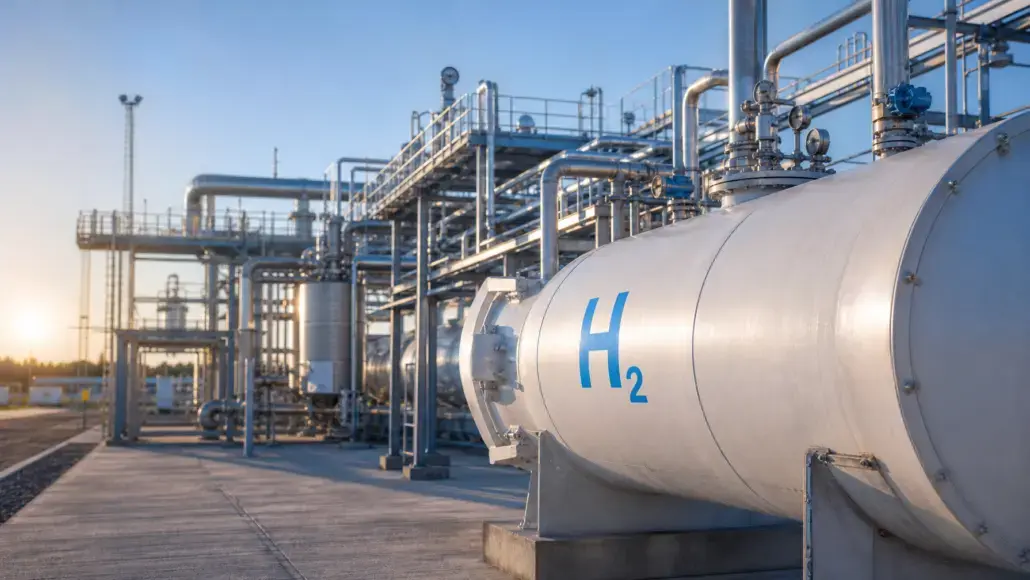

The transition to a global hydrogen economy requires the transport of energy over vast distances, which is most efficiently achieved by converting hydrogen gas into its liquid state. However, the liquefaction process is inherently energy intensive, currently consuming approximately 30 to 35 percent of the energy contained within the hydrogen itself. Improving liquefaction efficiency is therefore a primary objective for reducing the overall cost of hydrogen and making it a competitive alternative to traditional fossil fuels. By optimizing thermodynamic cycles and implementing advanced cooling technologies, the energy sector can significantly lower the carbon footprint and operational expenses associated with liquid hydrogen production. The systematic reduction of these energy losses is a prerequisite for the commercial viability of international hydrogen trade.
Modern liquefaction plants utilize a combination of pre cooling and cryogenic expansion to reach the minus 253 degrees Celsius required for liquefaction. The complexity of this process is increased by the need to manage the ortho to para conversion of hydrogen molecules, a phenomenon that releases heat and can lead to significant fuel loss if not handled correctly. As the scale of liquid hydrogen production increases to meet growing demand from maritime shipping and industrial sectors, the industry must move beyond traditional Claude cycles toward more sophisticated arrangements. These innovations in cryogenic engineering are essential for creating a sustainable and economically viable global hydrogen supply chain. The integration of high capacity liquefaction units with renewable production sites is a key strategy for reducing lifecycle emissions.
Thermodynamic Cycle Optimization and Refrigerant Selection
The efficiency of a hydrogen liquefaction plant is largely determined by the design of its refrigeration cycles. Most current large scale facilities use a combination of nitrogen pre cooling and hydrogen expansion cycles. While effective, these systems have inherent thermodynamic limitations that lead to energy waste. Researchers are evaluating the use of mixed refrigerant cycles, which utilize a blend of gases to better match the cooling requirements at different temperature stages. This approach can reduce the energy consumption of the pre cooling stage by up to 20 percent, significantly improving the overall liquefaction efficiency of the facility. The physical configuration of these heat exchangers must be precisely engineered to minimize entropy production.
Beyond pre cooling, the selection of the primary refrigerant for the cryogenic stage is critical. While hydrogen itself is commonly used, helium offers superior thermodynamic properties at very low temperatures. However, the high cost and limited availability of helium make it a challenging option for large scale commercial plants. New cycle designs, such as the neon hydrogen mixed cycle, are being explored to provide the benefits of low temperature cooling while maintaining economic feasibility. The implementation of advanced turboexpanders with higher isentropic efficiencies also plays a key role in maximizing the energy recovery during the expansion process. These technical refinements are necessary for pushing the efficiency of hydrogen liquefaction closer to its theoretical limits. The adoption of magnetic bearings and other low friction components further enhances the durability of these high speed rotating machines.
Ortho to Para Conversion and Thermal Management Strategies
Hydrogen exists in two molecular forms, ortho and para, which differ in the spin of their nuclei. At room temperature, hydrogen is approximately 75 percent ortho, but at its boiling point, it must be nearly 100 percent para to be stable in liquid form. The conversion from ortho to para is exothermic, meaning it releases heat that can cause the liquid hydrogen to boil off rapidly if the conversion occurs after the gas has been liquefied. Managing this conversion during the cooling process is essential for maintaining high liquefaction efficiency and preventing significant fuel losses during storage and transport. The heat released during this conversion can represent a significant portion of the total cooling load.
Current plants use catalysts, such as ferric oxide, placed within the heat exchangers to facilitate the ortho to para conversion as the gas cools. However, the efficiency of these catalysts is often a limiting factor in the overall process. Researchers are developing new catalytic materials with higher surface areas and better low temperature activity to speed up the conversion and reduce the associated energy penalties. In addition, the use of continuous conversion techniques, rather than discrete stages, allows for a more efficient removal of the heat of conversion. By refining these thermal management strategies, the industry can ensure that liquid hydrogen remains stable during long distance maritime transit, supporting the broader goal of improving hydrogen liquefaction efficiency for long distance transport across global trade routes. The precision of temperature control at each stage of the conversion process is vital for minimizing internal energy dissipation.
Innovative Cooling Technologies and Magnetic Refrigeration
Traditional liquefaction systems rely on gas compression and expansion, which have reached a level of technological maturity with limited room for further efficiency gains. This has led to increased interest in non traditional cooling methods, such as magnetic refrigeration. This technology utilizes the magnetocaloric effect, where certain materials change temperature when exposed to a varying magnetic field. Magnetic refrigeration offers the potential for significantly higher efficiencies because it avoids the losses associated with gas compression and friction in moving parts. While currently limited to laboratory or small scale applications, it represents a development that could change the future of hydrogen liquefaction. The mechanical simplicity of these systems reduces the long term maintenance requirements for cryogenic infrastructure.
Another emerging technology is the use of thermoacoustic refrigeration, which uses high intensity sound waves to create cooling. These systems are mechanically simple and do not require chemical refrigerants, making them an environmentally friendly option. However, the energy density of thermoacoustic systems is currently lower than traditional methods, requiring more research to scale them for industrial use. As these and other innovative cooling technologies mature, they will provide new tools for improving the energy profile of liquid hydrogen production. The integration of renewable energy sources directly into the liquefaction process, through the use of waste heat or cold recovery from LNG regasification, can further enhance the overall sustainability of the system. The recovery of cold energy from existing gas networks provides an immediate opportunity for cost reduction.
Scaling Liquefaction Infrastructure for Global Energy Markets
The current global capacity for liquid hydrogen is relatively small, but it is expected to grow exponentially as international energy trade routes are established. Scaling up liquefaction infrastructure requires not only larger facilities but also more modular and standardized designs to reduce capital costs and lead times. Large scale liquefaction plants can benefit from significant economies of scale, with the energy consumption per kilogram of hydrogen decreasing as the capacity increases. However, building these massive facilities requires substantial investment and a clear regulatory framework to manage the associated risks. The standardization of terminal designs is a key factor in reducing the engineering hours required for new projects.
The development of regional liquefaction hubs, located near major renewable production zones or large ports, is a key strategy for optimizing the global supply chain. These hubs can serve as central points for gathering hydrogen from multiple producers and preparing it for maritime transport. The coordination of these facilities with the shipping fleet and receiving terminals is essential for maintaining the efficiency of the entire system. As the industry scales, the standardization of equipment and operating protocols will help drive down costs and improve the reliability of liquid hydrogen delivery. This infrastructure development is a prerequisite for the creation of a liquid hydrogen vs ammonia for long distance hydrogen shipping market, where different carriers compete based on their total delivered cost and efficiency. The physical footprint of these hubs must be managed to ensure minimal impact on port operations and surrounding ecosystems.
Integration with Renewable Energy and Grid Balancing
Hydrogen liquefaction plants are large consumers of electricity, making them ideal candidates for integration with renewable energy sources. By operating the liquefaction process during periods of high wind or solar output, these facilities can help balance the grid and reduce the need for curtailment. This demand response capability improves the economics of both the liquefaction plant and the renewable energy projects. In addition, the use of green electricity ensures that the liquid hydrogen produced has a low carbon intensity, meeting the requirements of international sustainability standards. The dynamic operation of liquefaction units requires advanced control systems to manage the rapid changes in power availability.
The long term viability of the liquid hydrogen supply chain depends on its ability to compete with other energy carriers on a carbon adjusted basis. As carbon pricing mechanisms become more widespread, the high energy consumption of traditional liquefaction processes will become an even greater financial burden. This provides a strong economic incentive for continued investment in efficiency improvements. By combining technological innovation with strategic grid integration, the energy sector can transform hydrogen liquefaction from a costly bottleneck into a flexible and efficient component of the global energy system. The lessons learned from the first generation of large scale liquefaction plants will be invaluable for shaping the future of this critical industry. The continuous monitoring of energy performance indicators will drive the ongoing optimization of these cryogenic assets.