

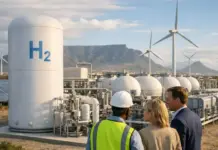

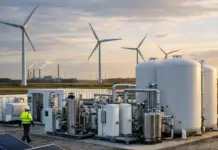
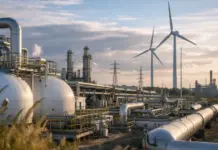
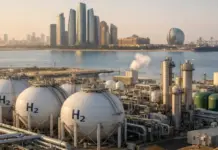







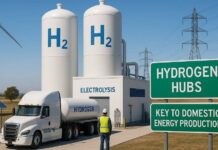

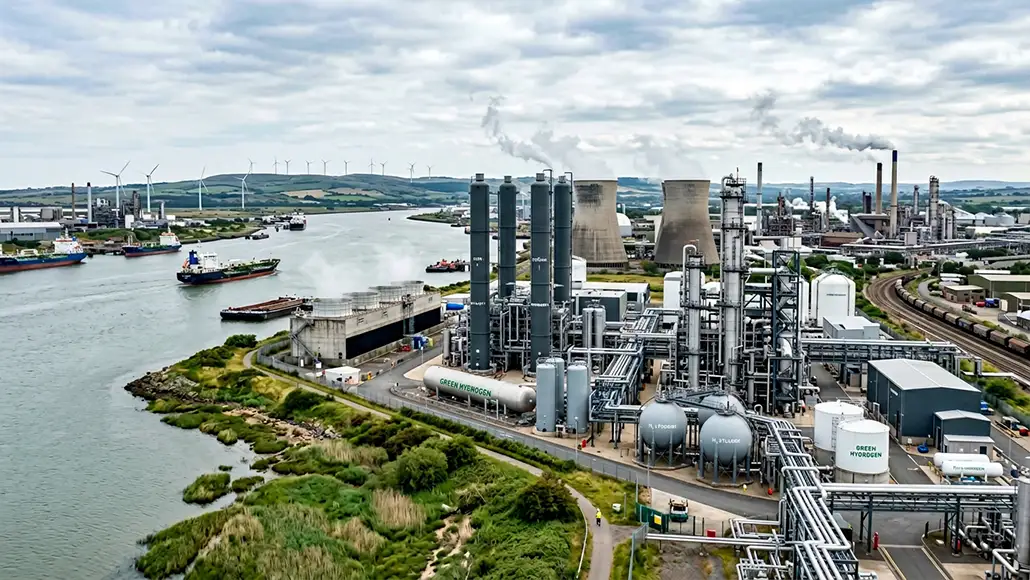

Teesside’s been integral to UK industry – steel, chemicals, power generation, you name it, and they are there. Now it’s getting a green, sustainable energy makeover. On 14 April 2026, the low carbon hydrogen project from Kellas Midstream and SSE Thermal, H2NorthEast, went on to sign a memorandum of understanding with Northern Gas Networks, the main gas distributor of the region. They will join forces to explore the possibility of transporting hydrogen from the proposed Teesside plant, in combination with the CATS gas terminal, to manufacturing plants and factories across North East England using the East Coast Hydrogen pipeline network.
Why This Deal Is Important
This MoU is not just a signature on paper. It’s essentially closing the loop on hydrogen production and demand in the real world. Industries ranging from steelmakers to chemical plants can exchange carbon-heavy fuels for low-carbon hydrogen by reusing existing pipes or building new ones. On-demand, reliable hydrogen could also mean more prevalent use of hydrogen fuel cells for on-site power and process heat. With the UK targeting 10GW of hydrogen capacity by 2030, H2NorthEast could help deliver around 10% of that target, turbocharging the nation’s drive to zero-emission technology.
Taking into Account Early Engineering
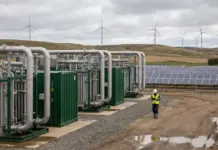
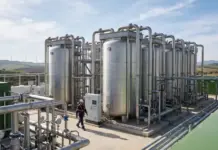
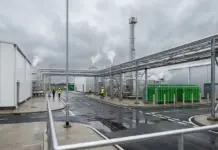
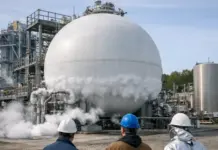
Initial engineering studies for H2NorthEast began in 2023 and helped inform everything right from site layout to ties with the local energy grid. The project has the benefit of proximity to the CATS gas terminal as a logistical advantage. At its core is a steam methane reformer which extracts hydrogen from natural gas and a CCS system which captures most of the CO2. When functioning, the plant could produce enough hydrogen in a year so as to heat over one million homes, hence dramatically cutting carbon emissions, a clever example of how to decarbonise industry in the real world.
Production and Pipelines Linking
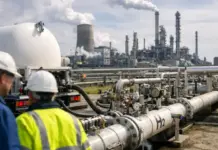
Northern Gas Networks has many years of experience of delivering gas safely through distances of steel pipe. The partners will collaborate to chart the most effective route for injecting hydrogen into the East Coast Hydrogen network – whether that means converting sections of legacy pipeline with due diligence on material compatibility and integrity or installing brand-new hydrogen-ready lines.
Both routes are designed so as to provide a dependable low-carbon hydrogen production supply to customers based in County Durham, Teesside and beyond, enhancing the hydrogen infrastructure of the UK.
Tight sizing in the East Coast Cluster
It is well to be noted that the East Coast Cluster is one of the flagship schemes for industrial decarbonisation by the UK government – capturing carbon from power plants as well as heavy industry and storing it deep under the North Sea. It also builds a hydrogen ecosystem, connecting producers, transporters and users. H2NorthEast came into the circle with a Phase 1 bid in April 2026 – inking an MoU with the pipelines team is a key next step in proving that the cluster can actually move hydrogen from point A to point B and pull in larger investments.
Local Advantages Leading to Worldwide Impact
Once hydrogen starts flowing out of the Teesside plant, it is indeed a winner all round. Industrial operators can replace high-carbon fuels with others to lower on-site emissions. Teesside itself could benefit from an upsurge in new jobs in engineering design, construction, and maintenance as well as operations. New orders could go to local suppliers, such as valve makers and control system specialists.
Meanwhile, universities and research centers could run pilot projects, gather data and educate the next generation of hydrogen and CCS pros.
Over the longer term, building out this hydrogen ecosystem could create new skills and supply chains, dragging the region into a wider low-carbon economy. A successful H2NorthEast deployment would additionally improve the standing of the UK as a global hydrogen leader and could generate additional international interest and investment.
The technology that goes behind the talk
H2NorthEast is essentially about the low-carbon hydrogen production supply by steam methane reformation plus CCS. Methane reacts with steam to produce hydrogen and carbon monoxide, which then shifts so as to produce more hydrogen. The CO₂ captured is compressed and stored under the North Sea. In terms of transportation, building a strong hydrogen infrastructure means overcoming technical hurdles such as hydrogen embrittlement, choosing the appropriate materials and strengthening safety procedures. But it often turns out to be more economical and quicker to adapt prevailing pipelines as compared to building everything from scratch.
Getting into the UK Hydrogen Playbook
The UK’s 2021 Hydrogen Strategy put regional clusters at the heart of its net-zero roadmap, particularly for sectors where electric power is not feasible. Teesside has it all. A strong industrial base, CO2 transport routes which are already established and easy access to natural gas. Kellas Midstream and SSE Thermal are progressing H2NorthEast as part of the partnership and plan to deliver a 1 GW-capable plant, striving for early output by the mid-2020s and accelerating through the decade in accordance with cluster funding as well as market demand.
What comes next?
With the MoU in hand, the two sides will start working on feasibility studies, path surveys and customer outreach. They will examine pipeline maps, analyse material conditions, and simulate flow rates in order to determine how hydrogen can be transported safely and reliably. At the same time, they will also be talking to potential industrial off-takers – steel mills, chemical works and more – so as to gauge customer demand profiles, delivery schedules and any on-site tweaks that are necessary.
On the regulatory side, the team will work to obtain planning approvals, negotiate grid and network access agreements and pursue funding channels like UK Infrastructure Bank loans or cluster grants. If all goes to plan, one could see the first hydrogen produced by the mid-2020s, with an established path to hit full 1 GW capacity by the late 2020s. Local councils and environmental agencies, as well as community stakeholders, will be kept in the loop throughout the process so that the project is in alignment with regional development objectives.
The fact is that this partnership highlights a fundamental truth – making hydrogen is only part of the job, one has to get it to those who need it. The MoU sets out a plan to connect the whole hydrogen value chain by pairing an experienced pipeline operator with a novel production project. If H2NorthEast and Northern Gas Networks meet their targets, Teesside will be more than just a production hub, it is going to be a living example of how zero-emission technology and hydrogen can fuel an industrial region while setting a precedent for similar initiatives across the UK.