










Gasunie, along with Thyssengas, has reached a major milestone when it comes to European energy transition – In a joint project in Hynetwork in the Netherlands, a subsidiary of Gasunie, Thyssengas, through Thyssengas H2 GmbH, and Gasunie Germany are going ahead and developing a cross-border hydrogen transport infrastructure between both the Netherlands and Germany.
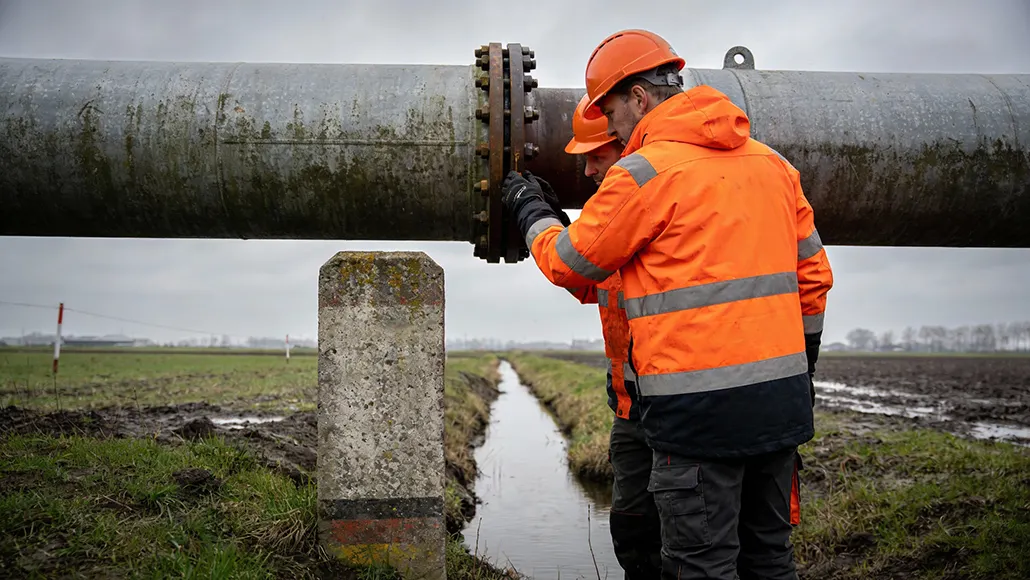
The companies have recently signed a Joint Development Agreement, which is a preliminary step to the subsequent grid connection agreement, hence laying a strong foundation for the joint realization of such infrastructure. The pipeline system is going to largely comprise the present natural gas pipelines that are going to be converted for the transport of hydrogen.
Notably, a central strategic axis is supposed to be created through the border crossings at Oude Statenzijl – Groningen and Vlieghuis, directly connecting the Dutch industrial areas, import routes through the Dutch ports, and storage and production facilities having industrial areas in Germany, primarily within the Ruhr region and Rhineland, and also the markets of Northwest Europe. The pipeline system will then go ahead and help the first cross-border hydrogen transport between Germany and the Netherlands, thereby supplying the initial customers.
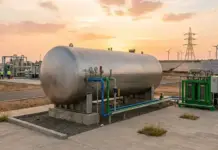
Thyssengas is going ahead and contributing its present natural gas pipeline between Vlieghuis in the Netherlands and also Ochtrup, based in North Rhine-Westphalia, to the project. Conversion work started this summer. The pipeline is also part of the nationwide core hydrogen network of Germany and also the GET H2 hydrogen initiative.
Support for the industrial decarbonization within the Ruhr area as well as the Rhineland
The agreement goes on to define certain major technical as well as organizational parameters that are necessary for the safe as well as dependable transport of hydrogen throughout the border. Its signing goes on to lay quite an important foundation – it can indeed be called the first step towards the complete realization of numerous cross-border hydrogen transport links between the Netherlands and Germany.
Helmie Botter, the director of hydrogen transport with Gasunie, says that the cross-border trade as well as the transport of hydrogen is indeed crucial for a well-functioning hydrogen market across Northwest Europe. The agreement reached helps with transport not only through their infrastructure between the Netherlands and Germany but also to and from Denmark. They aim to go ahead and create an integrated hydrogen market and are also working closely with their partner network operators in order to make cross-border transport as seamless as possible.
The CEO of Thyssengas, Dr. Thomas Gößmann, says that the signing of this contract goes on to mark quite a major milestone in the expansion of the international hydrogen infrastructure. They are especially proud that their Thyssengas pipeline from Vlieghuis in the Netherlands to Ochtrup, based in North Rhine-Westphalia, is going to make a valuable contribution on many levels – It helps cross-border hydrogen transport between both Germany and the Netherlands, goes on to support the development of the German core hydrogen network, and also promotes industrial decarbonization within the Ruhr area as well as the Rhineland via its connection to the GET H2 system.
The Commercial Managing Director with Thyssengas, Dr. Thomas Becker, goes on to add that hydrogen is indeed a major driver for a much more sustainable energy supply. The decarbonization of the industry in the Ruhr region as well as the chemical sector in the Rhineland regions where Thyssengas prominently operates is indeed critical in terms of attaining climate objectives. Hydrogen goes on to play a major role in this transformation – As a CO₂-free energy carrier, it helps the energy-intensive processes like steel and chemical production, along with the shift from fossil fuels to sustainable alternatives. The agreements on cross-border hydrogen transport infrastructure go on to represent a significant milestone, not just in the development of this network, but also in terms of advancing the shared objectives of climate neutrality.