
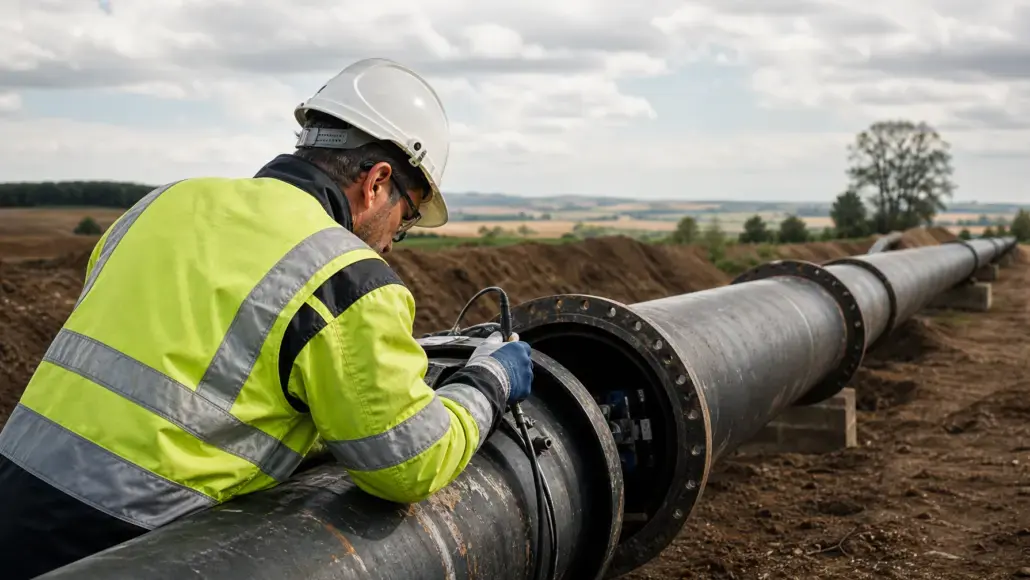

The global energy transition requires a massive scaling of transportation infrastructure to move hydrogen from production hubs to end users. Utilizing existing natural gas pipelines presents a significant opportunity to lower the initial capital requirements of this shift. Instead of constructing entirely new networks, operators are evaluating the feasibility of retrofitting current steel and polyethylene assets to handle hydrogen gas. This process involves complex technical assessments, as hydrogen possesses different physical and chemical properties compared to methane. Its smaller molecular size and higher diffusion rate necessitate a rigorous review of seal integrity and valve performance across the entire network. The transition represents a strategic pivot for midstream companies looking to avoid stranded assets while supporting the broader goals of decarbonization.
The economic argument for repurposing is compelling for midstream companies. Building new dedicated hydrogen pipelines can cost significantly more per kilometer than upgrading existing ones. By leveraging current rights-of-way and buried assets, the industry can bypass many of the permitting hurdles and land use disputes that often delay new infrastructure projects. However, the transition is not as simple as a direct swap of gases. It requires a phased approach, often beginning with blending hydrogen into the methane stream before moving toward full conversion. This incremental strategy allows for the monitoring of system performance while providing an immediate reduction in the carbon intensity of the gas being delivered to industrial and residential consumers. The sheer scale of the existing natural gas pipelines network makes it an indispensable asset in the race to achieve net zero emissions.
Material Compatibility and Structural Integrity Assessments
The primary technical hurdle in converting natural gas pipelines involves the interaction between hydrogen and the pipeline material. Carbon steel, which is common in high pressure transmission lines, is susceptible to degradation when exposed to hydrogen. The gas can diffuse into the metal lattice, leading to a reduction in ductility and toughness. This phenomenon requires operators to conduct thorough material testing to determine the specific grade of steel used in their assets. Not all legacy systems are suitable for high concentrations of hydrogen, and some may require internal coatings or liners to act as a permeation barrier. Engineers must also consider the historical operating conditions of the pipe, as previous fatigue cycles can create microscopic damage that hydrogen may exacerbate.
Beyond the steel itself, the elastomeric seals and gaskets used in compressor stations and valve assemblies must be evaluated. Hydrogen can cause certain polymers to swell or become brittle, leading to leaks that are harder to detect than methane leaks. Standard natural gas pipelines are designed for a larger molecule, so the higher leak rate of hydrogen through microscopic pores must be managed through enhanced monitoring protocols. Advanced leak detection systems, including acoustic sensors and satellite based thermal imaging, are becoming standard requirements for converted infrastructure. Operators must also consider the age of the asset, as older pipelines with existing corrosion or weld defects are at higher risk of failure under hydrogen service. The cumulative effect of these material challenges necessitates a highly conservative approach to asset integrity management during the first decade of operation.
Compression Requirements and Flow Dynamics Management
Hydrogen has a significantly lower volumetric energy density than natural gas, meaning that a much larger volume of gas must be moved to deliver the same amount of energy. This characteristic places unique demands on the compression infrastructure. Existing centrifugal compressors designed for methane typically lack the pressure ratios and flow capacities required for pure hydrogen. To maintain the same energy throughput, the flow velocity must increase by roughly three times, which can lead to higher friction losses and erosion at bends or junctions. This shift in flow dynamics requires a fundamental redesign of the control systems that manage the movement of gas across the network.
Retrofitting compressor stations often involves replacing impellers or entire compressor units to handle the higher rotational speeds needed for hydrogen. The power required for compression also increases, as hydrogen is more difficult to compress than methane. This extra energy consumption must be factored into the overall operational cost of the network. Additionally, the flow dynamics of hydrogen require specialized control software to manage pressure fluctuations. Addressing hydrogen embrittlement risks in pipeline infrastructure is critical during this phase, as the higher pressure cycles associated with variable demand can accelerate crack propagation in compromised materials. Engineers must utilize predictive modeling to ensure that the increased flow rates do not exceed the mechanical limits of the retrofitted components. The use of variable frequency drives and advanced cooling systems can help mitigate some of the energy penalties associated with high volume hydrogen compression.
Regulatory Standards and Safety Compliance Frameworks
The transition to hydrogen transportation requires a comprehensive update to existing safety standards and regulatory frameworks. Current codes for natural gas pipelines are not directly applicable to hydrogen due to its wider flammability range and lower ignition energy. Regulatory bodies are currently working to harmonize international standards for hydrogen purity, pressure limits, and odorization. One of the challenges is that hydrogen burns with a nearly invisible flame, making visual leak detection impossible. This necessitates the integration of specialized flame detectors and hydrogen specific gas sensors at all critical nodes. The legal sector is shifting rapidly as governments introduce new incentives for hydrogen infrastructure while tightening safety mandates.
Safety compliance also involves the management of public perception and emergency response planning. Local fire departments and utility workers need specialized training to handle hydrogen related incidents, which differ significantly from natural gas fires. The buoyancy of hydrogen means it disperses rapidly upwards in open areas, reducing the risk of ground level pooling but increasing the risk of accumulation in confined spaces. Regulations must mandate frequent inspections and the use of inert gas purging during maintenance activities. As these frameworks mature, they provide the legal certainty required for large scale investment in pipeline repurposing projects, ensuring that the infrastructure remains as safe as the legacy systems it replaces. Additionally, the environmental impact of potential leaks must be quantified, as hydrogen can act as an indirect greenhouse gas by extending the life of methane in the atmosphere.
Integrating Distribution Networks with Industrial Consumers
The ultimate goal of repurposing is to create a seamless link between production sources and large scale users. Industrial clusters, such as steel mills and chemical plants, are the most likely early adopters of pipeline delivered hydrogen. These facilities require high volumes of consistent energy, making them ideal anchors for newly converted networks. By connecting these consumers to repurposed long haul pipelines, operators can create regional hydrogen hubs that drive local economic growth. This integration requires careful coordination between midstream providers and end users to ensure that the delivered gas meets the required purity levels for specific industrial processes. The alignment of production schedules and industrial demand is a key factor in maximizing the efficiency of the overall system.
Some industrial applications, such as fuel cells, require very high purity hydrogen, which may necessitate the installation of purification units at the point of delivery. Others, like high heat combustion, can tolerate higher levels of residual methane or nitrogen. The development of distribution networks for industrial consumers involves not just the physical pipes but also the digital infrastructure for metering and billing. Real time monitoring of gas composition is essential to ensure that industrial processes are not disrupted by fluctuations in the hydrogen blend. As more industrial zones connect to the network, the resulting economies of scale will further drive down the cost of hydrogen, making it a viable alternative to traditional fossil fuels for the manufacturing sector. The physical proximity of industrial users within a cluster significantly reduces the technical and financial risks associated with the last mile of delivery.
Long Term Operational Strategies and Asset Management
Managing a repurposed pipeline network over several decades requires a shift in asset management strategies. Traditional systems are often managed with a focus on corrosion prevention, but hydrogen service adds the layer of embrittlement monitoring. Digital twins and sensor networks are increasingly used to track the real time health of the infrastructure. These systems allow operators to predict when a section of pipe might reach its fatigue limit, enabling proactive replacement before a failure occurs. This data driven approach is essential for maintaining the high reliability levels expected by industrial customers. The integration of artificial intelligence into asset management software will further enhance the ability of operators to identify subtle changes in system performance.
The long term viability of repurposed assets also depends on the evolution of the global hydrogen market. As green hydrogen production increases, the demand for high capacity transportation will grow, potentially exceeding the limits of existing repurposed lines. Operators must plan for eventual expansions or the construction of parallel dedicated lines once the market matures. In the interim, the strategic use of existing infrastructure provides the necessary bridge to a low carbon future, allowing the energy industry to transition its assets without stranding billions of dollars in investment. Continual investment in research and development will ensure that these legacy systems remain a cornerstone of the global energy grid for years to come. The ability to pivot these assets from methane to hydrogen will be remembered as a defining moment in the history of industrial energy systems.