



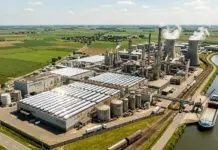
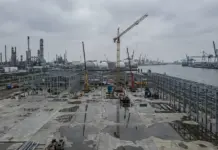

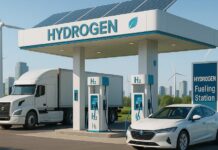

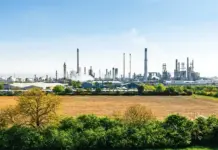
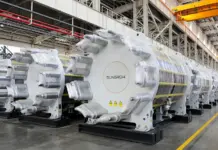
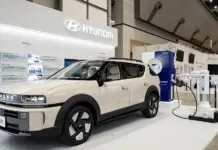
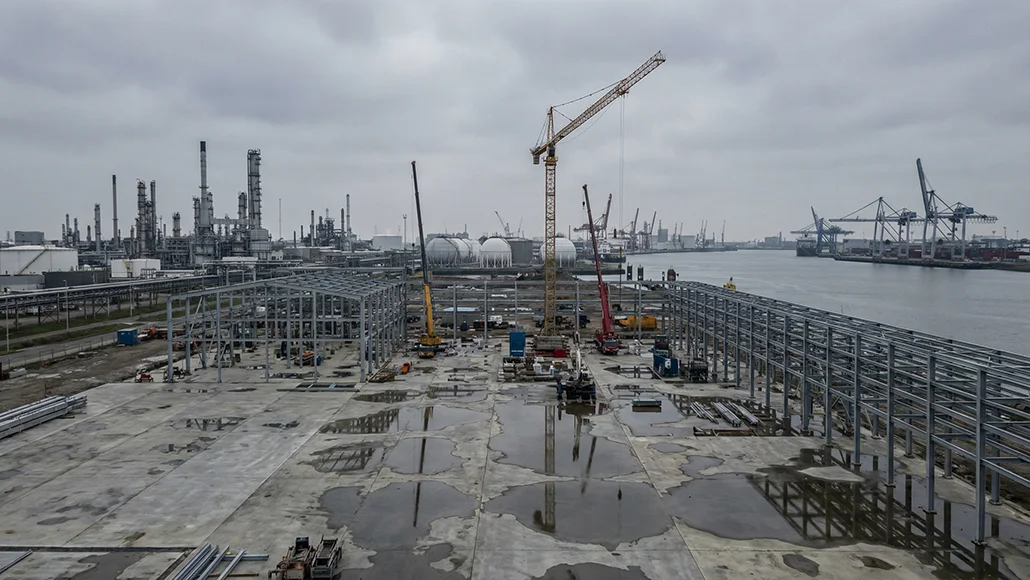

What does this mean for the rest of the continent if the busiest port in Europe can’t get enough people to support its hydrogen infrastructure plans? A recent market consultation by the Port of Rotterdam Authority shows why a number of hydrogen storage terminals worth hundreds of millions of euros have been pushed back past 2030. Investors are slowing down because of unclear policy signals, packed power grids, and slow permitting. This is a wake-up call – the fact is that if one wants to scale up hydrogen carriers at this level, one has to get the whole chain right, right from production to offtake.
Important Results from the Market Consultation
- At least nine companies have put their plans so as to build hydrogen carrier import terminals on hold.
- The cost of each proposed terminal for clean ammonia, methanol, liquid hydrogen – LH2, or liquid organic hydrogen carriers – LOHC is in the low to mid-hundreds of millions of euros.
- The biggest problem? No one is ready to sign firm offtake deals. Financiers won’t write checks for hundreds of millions of euros unless they know they have buyers.
- Other challenges include unclear policies about green hydrogen incentives, local grid capacity issues and delays in building pipelines, as well as slow permitting.
These takeaways come directly from the authority’s survey, which ended in March 2026 and demonstrates honest feedback from people in the market.
Why It’s Important for Europe’s Energy Transition
Brussels wants to import 10 million tons of hydrogen by 2030 as part of the EU Hydrogen Strategy. Rotterdam, which has the most cargo traffic of any port in the continent, is meant to be the main entry point for sustainable energy in Europe. If it can’t lock in funds for important import terminals, every plan that comes after it, from getting rid of carbon in factories to making shipping fuels that don’t pollute the air, goes on to slow down. For shipping, clean ammonia is a good option. If those terminals are broken, shipowners can finally switch from heavy fuel oil to a cleaner marine fuel. If one delays them, the ships will stay stuck on the outdated stuff. Even worse, billions of stranded capital expenditures could stop electrolyzer farms, refineries that turn into hydrogen feedstock, along with new pipelines that go into the German and Belgian hinterlands.
Historical Picture
Rotterdam has been a trading center since the medieval period. By the 1960s, it had become the busiest container port in the world. LNG imports and huge petrochemical clusters gave it a modern edge. The Port of Rotterdam Authority has been in the news since the H2Hub Rotterdam initiative began in 2020, pushing for imported green hydrogen. But just being excited is not going to be enough to fill in funding gaps or address technical problems.
A Technical Overview of How Hydrogen Carriers Work
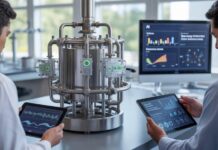
Importers employ carriers because shipping pure H₂ is a challenge, and its low density costs a lot to turn into a liquid. They bring in ammonia, methanol, liquid hydrogen – LH2, or LOHC, and then they break them down or remove the hydrogen on-site to get pure hydrogen.
Here’s the short version:
Ammonia Cracking – A catalytic reaction at a high temperature breaks NH₃ down into three H₂ and 0.5 N₂. It needs strong reactors and heavy-duty utilities, as well as the best safety systems.
LOHC Dehydrogenation – Liquid organic carriers take in H₂ when they are under pressure and heat, and then they let it go when needed. One needs to be able to control the temperature very well so that the carrier doesn’t break down.
Handling LH₂ – Liquid hydrogen stays at a cold -253 °C. To keep losses under control, one needs cryogenic tanks and insulation technology as well as boil-off management. This makes both capital expenditures and operational complexity go up.
Problems on the Ground
The report makes it clear that one cannot set OPEX or returns unless it is made sure that the grid connections are strong enough for electrolyzer farms as well as cracking units. TenneT, the company that runs the grid, is already dealing with traffic jams around Rotterdam, and plans for hydrogen pipelines to users in the interior have been pushed back to the next decade thereby leading to stalling of hydrogen storage terminals. Also, getting permission for high-pressure equipment as well as handling ammonia takes so long that most investors are reluctant to use it.
Other Effects of the Delays
These aren’t just one-time problems. By rough estimates, freezing terminal projects means that more than a billion euros in investments are on hold. Jobs in construction, operations, and products are still on hold. Industries next to it, like steelmaking and chemicals, lose a possible source of green feedstock. Delayed ammonia bunkering makes ships stick with heavy fuel oil for shipping. And on a larger scale, every month of delay pushes Europe farther away from its climate goals for 2030.
The authority’s response and what it means for strategy
The Port of Rotterdam Authority is always moving forward. It is working with both public and private partners to create risk-sharing frameworks, right from anchor-tenant offtake deals, which are backed by government guarantees, to make projects risky enough to please banks and corporate finance teams. They are also pushing for quicker approvals for safety as well as environmental issues. But as the consultation makes clear, policymakers and market players need to get on the same page quickly if they want to keep Europe’s hydrogen roadmap credible.
Policy Paths Ahead
To get things moving again, Brussels and The Hague need to make subsidy programs more effective, hold capacity auctions for electrolyzers, and also set aside special hydrogen port areas with permits that have already been approved. Germany’s new hydrogen law, which sets rules for network operators on tariffs and cost-sharing, is a good example. The Netherlands could do something similar around Rotterdam, giving investors a clear path instead of making them go through random meetings.
Echoes Around the World
This isn’t just a problem for Rotterdam. After the energy crisis of 2022, people around the world were less interested in making big bets. The same wait-and-see feeling surrounds hydrogen hub proposals in Australia and the Middle East as well as North America. The global supply chain for green hydrogen could come to a halt at the worst possible time, when Europe, East Asia, and other areas need it the most, if there is no clear policy and binding offtake guarantees.
The Maverick’s Point of View
We have seen this movie before – big plans get off to a great start, but then they fall apart because of small problems. Policy uncertainty is the elephant in the room. If one wants businesses to spend hundreds of millions on capital expenditures, one needs binding offtake agreements and rules that don’t change every election cycle. Right now, buyers want bigger subsidies, banks want guarantees, and regulators want proof that the market is taking off. In the meantime, the only real winners are those who put things off.
Looking Forward
The next steps Rotterdam takes will be the final test for Europe’s hydrogen ecosystem. Before the decade is over, can the Authority put together binding deals, upgrades to the grid, and permits that come in quickly? Or will the import terminals move even further into the 2030s, leaving hydrogen goals of Europe up in the air? The clock is ticking, no matter what.