





European businesses are keen on funding for decarbonization. In the Innovation Fund 2025 auctions, they have made bids totaling €10 billion.
The Innovation Fund 2025 auctions focus on making hydrogen and reducing industrial heat emissions. This shows that increasingly businesses are committed to moving away from fossil fuels and using cleaner technologies.
The deadline for applications was February 2026. Participants from many different sectors were a part of it. There were a total of 143 bids in both auctions, which were much more than the funds that were available. This shows how important it is for Europe to change its industries quickly.
Projects for industrial heat
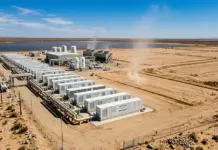
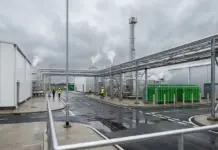
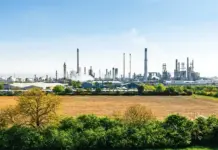
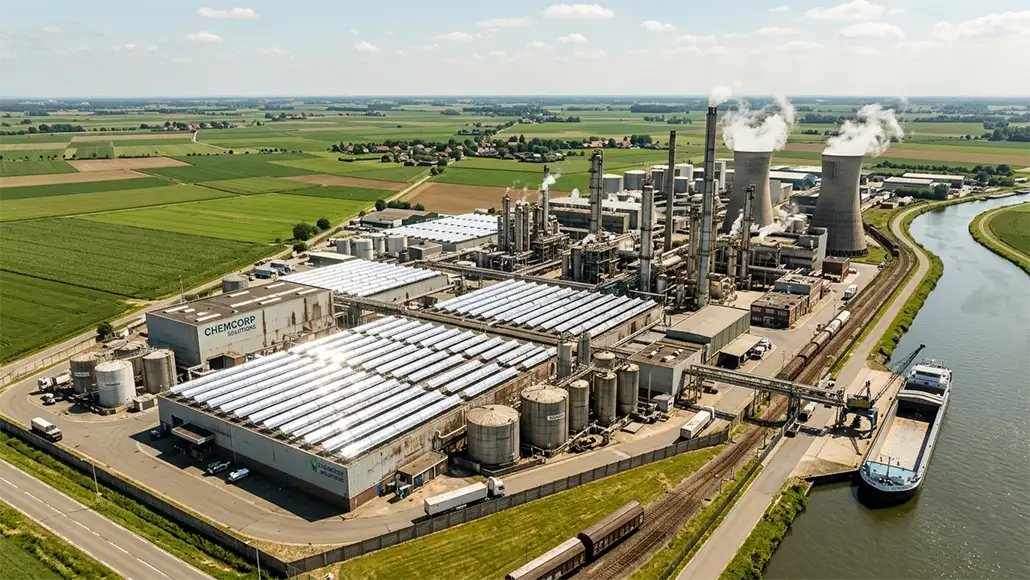
There were 85 bids from 14 countries in the industrial heat auction, which totaled €1.4 billion. This is the first time the EU has tried to get rid of carbon emissions from industrial heat, which is one of the biggest sources of emissions, as it relies so heavily on fossil fuels.
Some of the most active participants were industries that make chemicals, food and drinks, and well as paper. A lot of the proposals were about electrification technologies, like electric boilers and resistance heating systems, as well as renewable solutions, including solar thermal along with geothermal energy.
If these projects are put into actions, they could stop almost 3.8 million tons of carbon emissions over a period of five years and make a great deal of clean thermal energy simultaneously. The number of businesses that took part shows that they are willing to switch to greener methods if they can get sufficient funds to do so.
Hydrogen auction oversubscribed six times
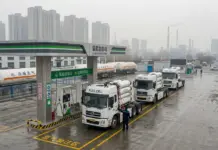
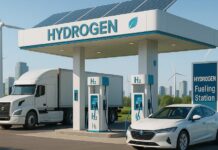
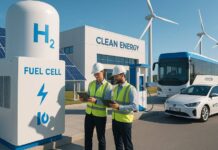
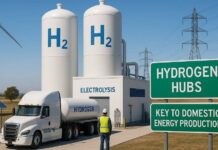
There were even more bids in the hydrogen auction, with 58 bids totaling €8.4 billion. Increasing numbers of individuals go on to think that hydrogen is an important way of lowering carbon emissions in areas that are hard to electrify, like heavy industry and transportation.
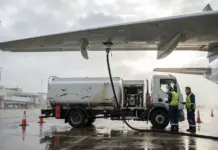
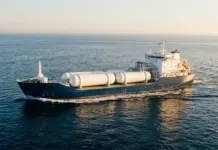
Most of the applications were for making hydrogen from renewable sources, but the auction also opened the door for low-carbon hydrogen made from nuclear energy. A new category for maritime and aviation uses also got a lot of interest, showing how hydrogen will play a bigger role in transportation systems in the future.
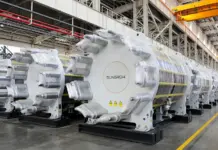
The projects that were submitted could provide more than 4 gigawatts of electrolyser capacity, which would greatly increase the ability of Europe to make hydrogen.
Further support from national governments will make the program even more effective. Using the EU’s auction system, Germany and Spain have promised nearly €1.8 billion together to pay for projects. This means that more than €4 billion is now available for funding.
The method lets member states support promising domestic projects while also benefiting from a shared, competitive system for distributing funds.
What’s next?
The evaluation process is currently in full swing, and the results should be available by the middle of 2026. Depending on the type of project, it will need to obtain funding within 2 to 2.5 years and start working within 4 to 5 years.
The final funding awards are expected to be given out by the end of 2026.
The strong response to these auctions shows that the European industry is changing. Companies are not only admitting that they need to cut emissions, but they are also putting funds into solutions that go on to make them even more sustainable and competitive.