

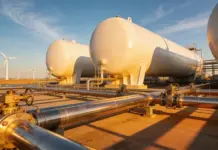
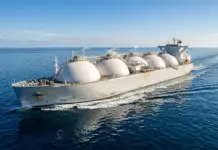




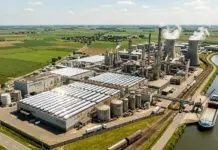

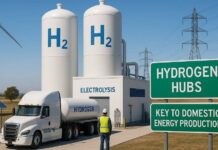

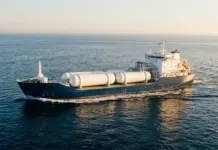
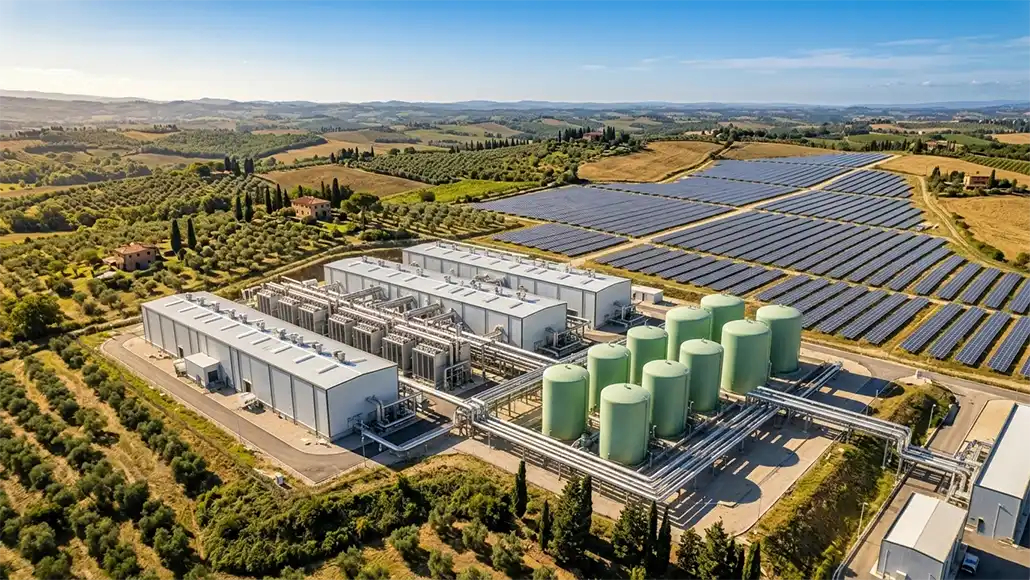

The European Commission has given the green light to €6bn Italian scheme in order to help make renewable hydrogen for transport and industrial sectors. The plan will help build up the ability to make renewable hydrogen, which is in line with the goals of the EU Hydrogen Strategy and the Clean Industrial Deal.
The Italian scheme
Italy has told the Commission about a scheme to help produce 200,000 tons of renewable hydrogen every year. The measure covers both hydrogen made through electrolysis using electricity from renewable energy sources as well as hydrogen made by way of biogenic sources through biological, bio-thermochemical, as well as thermochemical processes.
The green light to €6bn Italian scheme is going to come in the form of two-way contracts for difference. A competitive bidding process will set a strike price for hydrogen under these contracts. Italy is going to pay hydrogen producers the difference if the price of an alternative fuel that hydrogen consumers would use drops below that strike price. The beneficiaries will pay the difference to the Italian state if the price of the counterfactual fuel is higher than the strike price.
The scheme will last until December 31, 2029.
The Commission’s evaluation
The Commission evaluated the scheme using EU state aid rules, especially Article 107(3)(c) of the Treaty on the Functioning of the EU (TFEU), which lets Member States help certain economic activities develop as long as they follow certain rules. They also looked at the 2022 Guidelines on State aid for climate, environmental protection, and energy (CEEAG).
The commission specifically determined that –
- The aid is needed and appropriate to make it easier to make renewable hydrogen to cut down on carbon emissions in the transportation and industrial sectors.
- The aid does have an incentive effect because beneficiaries who get it would not produce renewable hydrogen without public support.
- The aid is fair because it will be given out after a competitive bidding process based only on the strike price that bidders offer.
- The aid will have positive effects, especially on the environment, because it will help reduce carbon emissions in sectors that produce high emissions. The positive effects are stronger vis-a-vis the adverse effects on competition.
The Commission approved the Italian scheme based on the above information and under the rules for EU State aid.
The background
The 2022 CEEAG guides as to how the Commission will decide if environmental protection measures, like climate protection, and energy aid measures, which need to be reported as per Article 107(3)(c) TFEU, are compatible. The Guidelines set up a flexible, useful framework that will help the Member States give the right kind of support so as to reach the Green Deal goals in a targeted and affordable way.
The Commission went on to release its EU Hydrogen Strategy in July 2020. This strategy set high goals for producing and using clean hydrogen. The Commission also started the European Clean Hydrogen Alliance, which goes on to bring together the European hydrogen community that comprises industry, civil society as well as public authorities.