



















The European Commission has given a go-ahead to a French scheme on renewable & low-carbon hydrogen. This is in line with the goals of the EU Hydrogen Strategy as well as the Clean Industrial Deal.
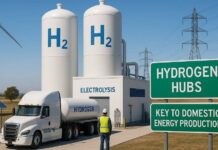
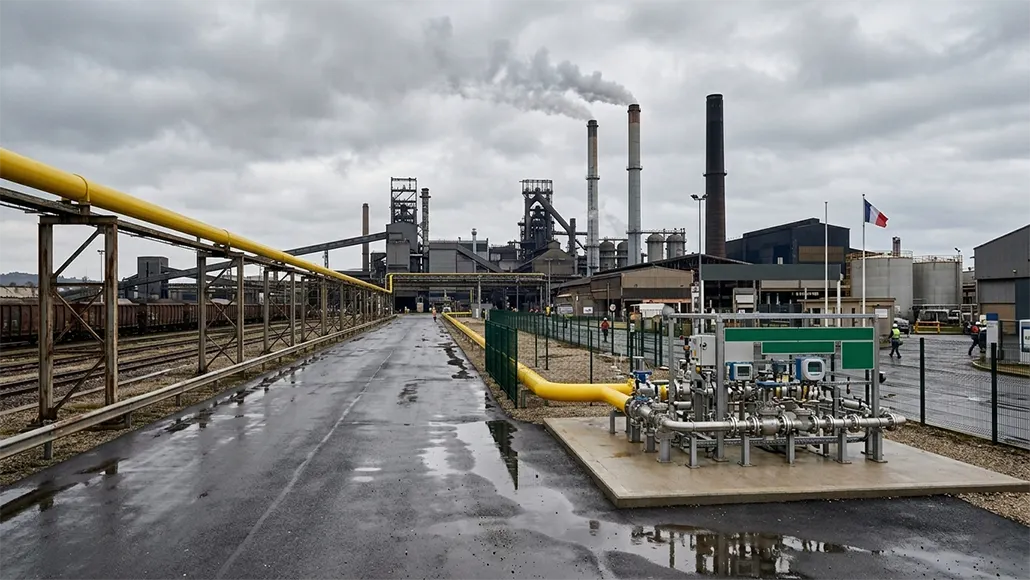
France told the Commission that it plans to start a program to help make renewable and low-carbon hydrogen using new electrolysers. This will help lower greenhouse gas emissions from manufacturing facilities.
It will also help the REPowerEU Plan’s goals of reducing reliance on Russian fossil fuels and speeding up the transition to clean energy.
Making hydrogen that is renewable and low in carbon by means of electrolysis
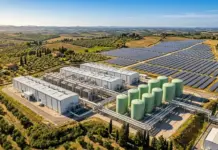
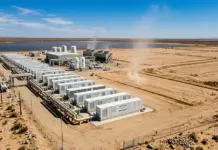
The French scheme on renewable & low-carbon hydrogen will help build 1 GW of hydrogen electrolysis capacity, and the winning bid will be chosen by way of a competitive bidding process that will take place over three rounds.
The first tender is for 200 MW of electrolysis capacity and happens to have a budget of €797 million.
The low-carbon hydrogen made through this program will only be sold for direct industrial use. This is to make sure that hydrogen is only used when there is no other economically viable way so as to electrify.
Meeting France’s climate goals
The plan will help France reach its goal of 4.5 GW of electrolyzer capacity by 2030 and 8 GW by 2035.
France hopes that the plan will help it meet its EU climate goals by avoiding up to 1,100 kilotons of CO2 each year.
According to Executive Vice President for Clean, Just, and Competitive Transition, Teresa Ribera, This French plan to support renewable and low-carbon hydrogen is an important step toward making Europe’s clean industrial future stronger. Hydrogen will be important for reducing carbon emissions in areas where electrification isn’t enough.
The Commission’s evaluation
The Commission looked at the plan as per EU state rules, especially Article 107(3)(c) of the Treaty on the Functioning of the EU. This article says that Member States can help certain economic activities grow under certain conditions.
The commission specifically found out that –
- The plan is necessary and appropriate in order to make it easier to make renewable and low-carbon hydrogen, which will help the industrial sector become less carbon-intensive. At the same time, it helps the goals of important EU policy programs such as the Clean Industrial Deal and the EU Hydrogen Strategy, as well as the REPower EU Plan.
- The aid has an incentive effect because making renewable and low-carbon hydrogen is still more expensive than making fossil hydrogen, and beneficiaries who receive the funding wouldn’t do the projects without public support.
- France has put in place appropriate safeguards to make sure that the plan doesn’t have a big effect on trade and competition in the EU. The beneficiaries will be chosen by way of a bidding process that is open, clear, and also fair, and the amount of aid given will be kept to the bare minimum needed to complete the projects.
- The help will have beneficial impacts, especially on the environment, that are stronger than any adverse impacts it might have on competition.
Ribera said that the aid will support the most cost-effective projects, while minimizing distortions of competition and trade in the internal market.