
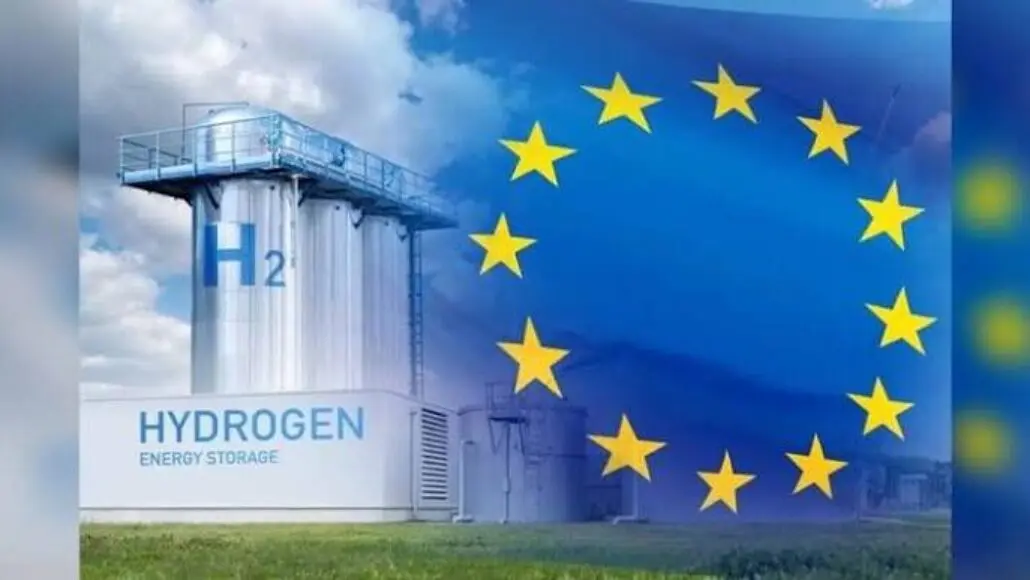

A coalition of over 30 European energy, industry, research, and investment organizations has urged the European Union – EU to speed up the exploration of naturally generated hydrogen, warning that regulatory ambiguity could see the region lag behind its international competitors.
In an open letter to Ursula von der Leyen, the European Commission President, and various other senior officials, the group is calling for Brussels to expressly recognize natural hydrogen in the 2026 Energy Union package and in the upcoming revision of the EU Hydrogen Strategy.
Mantle8 launched the alliance with Hydrogen Europe at the helm. It says Europe has the scientific as well as industrial know-how to explore the resource but fails to establish clear guidelines on exploration, investment, and accessibility to the market.
It is well to be noted that natural hydrogen is produced by way of geological processes in the underground and may build up in reservoirs. If deposits are economically recoverable, it might serve as the main source of energy compared to hydrogen produced with electricity or fossil fuels. But its commercial potential is not yet clear.
4 Goals for the EU
The letter suggests a funding program of €1bn for approximately 50 exploration and appraisal wells located in a minimum of 10 member states. The envelope proposed would include drilling, geological research, testing, pilot manufacturing, and technologies required for processing hydrogen for the market.
The signatory countries also want EU rules to evaluate natural hydrogen on the basis of lifecycle emissions, instead of trying to exclude it as a production pathway. Projects would need to comply with the bloc’s definition of low-carbon hydrogen, delivering no less than 70% greenhouse-gas emissions savings in comparison to conventional fossil fuels.
Other recommendations include open, faster permitting processes and standardized access to publicly funded geological information, as well as a Europe-wide natural hydrogen atlas.
As part of exploring naturally generated hydrogen, the coalition has identified initiatives in the US, Australia, Brazil, and Canada, as well as the Philippines, as examples of other jurisdictions promoting research or regulatory systems.
European-sponsored research projects have started to analyze the resource, but the participants say that mapping alone will not lead to an appropriate market for exploration.
The proposal is aimed at determining whether natural hydrogen is commercially feasible to produce, rather than assuming it is. The group says a united effort by Europe might help decide its role in energy security, competitiveness in industry, and decarbonization.