
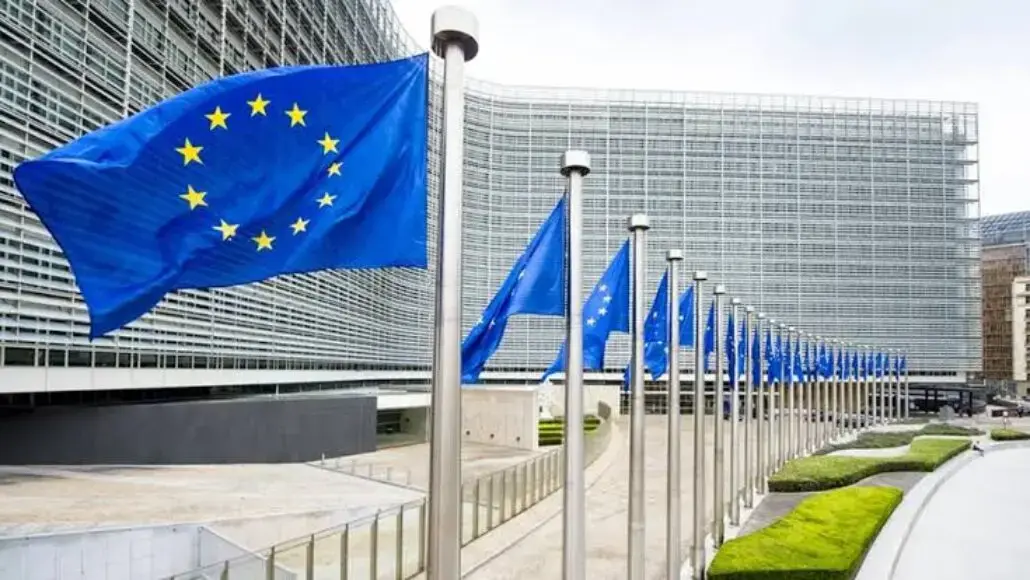

The European Commission on October 26, 2026, formally opened consultations with interested parties when it came to the new hydrogen strategy.
The consultation will stay open until 23 November, 2026.
It is well to be noted that this revision of the initial strategy put forth in July 2020 is required, as also noted by the European Court of Auditors, due to the realization – explicitly stated by the Commission itself in the papers published in conjunction with the standard consultation – that, contrary to the policy structure developed in recent years, the manufacturing and usage of renewable and low-carbon hydrogen is progressing slowly, with inadequate capacity for operation and a stream of projects under progress that is inadequate to generate the 3-4 million tonnes of renewable hydrogen projected to be necessary by 2030 in order to meet the required consumption objectives.
This is because of a number of variables that were additionally clearly recognized concerning regulatory ambiguity, the high price of the standard carrier, a shortage of adequate infrastructure, and extremely low end-user demand.
The new hydrogen strategy by Brussels should therefore strive to address these challenges by encouraging the development of a more resilient and highly competitive European value chain while protecting the commitments in the form of investments that have already been made in decarbonization and providing stability as well as predictability to investors.
It is worth noting that as part of the new hydrogen strategy by Brussels, preparations are made for an initiative to supplement the regulatory structure with non-legislative measures. These measures will concentrate on key industries and uses where hydrogen has the most added value and the circumstances essential to its development throughout the whole value chain.
More specifically, the initiatives will be focused on important fields like industrial viability, infrastructure standards and trade, competencies and technological capacities, research and innovation – particularly for emerging sources like natural hydrogen – funding, the function of imports, and the EU’s standing in global hydrogen markets.
Apparently, the new strategy that the Commission is currently working on will eventually seek to “more closely integrate the European hydrogen policy with actual market circumstances and international trends, mobilizing investment in areas wherein the hydrogen can provide the most benefit, while also improving the durability and competitive edge of the European hydrogen environment.