

The National Council for Green Hydrogen of Egypt has extended its MoU with ACWA Power of Saudi Arabia by one year for its proposed East Nile project, to generate green hydrogen and green ammonia of 66,000 tonnes and 500,000 tonnes respectively.
It was in December 2023 that ACWA Power, which is the largest private water desalination company in the world and also an innovator in green hydrogen, entered into a framework contract to establish the first green hydrogen phase in Egypt, following its 2022 MoU.
The first phase, backed by an investment of more than $4 billion, was designed to generate 600,000 tonnes of green ammonia every year, with plans for a second stage to boost capacity to almost 2 million tonnes a year.
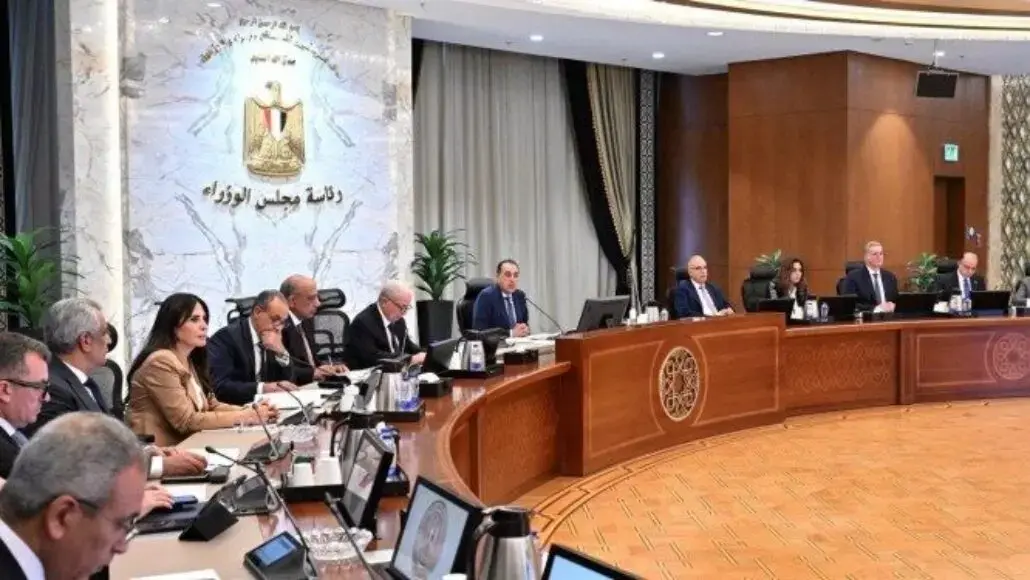
The meeting of the council was chaired by Mostafa Madbouly, the Prime Minister of Egypt, with the participation of Karim Badawi, the Minister of Petroleum and Mineral Resources, as well as Mahmoud Esmat, the Minister of Electricity and Renewable Energy, along with other ministers and government officials.
The council also approved the allocation of a 12-square-kilometre plot in West Zaafarana to ACURE of India so as to develop a 600-MW solar power plant to facilitate the trial phase of its green ammonia project.
The solar plant will provide electricity to the first stage of the project, which plans to produce 100,000 tonnes of green ammonia per year. The larger project is planned to get to a capacity for production of one million tonnes per year in successive phases.
The meeting evaluated the progress of execution of the agreements concluded with international companies and addressed the development of a unified structure to overcome the obstacles encountered by green hydrogen projects via coordination among the appropriate ministries and government authorities.
The decisions constitute a part of the push by Egypt to become a regional centre when it comes to low-carbon hydrogen as well as its related products.
In February 2024, Egypt implemented its National Low-Carbon Hydrogen Strategy, which includes plans aimed at gradually ramping up domestic hydrogen consumption, building production capacity and establishing export markets. The strategy also aims to have renewable energy make up over 42% of the electricity mix of the country by 2030.
Interestingly, Egypt implemented Law No. 2 of 2024 to draw in investors, providing incentives in terms of low-carbon hydrogen and derivative projects, offering developers almost 55% and VAT exemptions when it comes to equipment and exports, as well as reduced seaport along with maritime services and also a plethora of non-tax perks.
The government also entered into a number of deals with overseas developers. In February 2024 it disclosed seven cooperation agreements, which included green hydrogen and green ammonia, and renewable energy projects, and expected investments of more than $40 billion in a span of 10 years.