

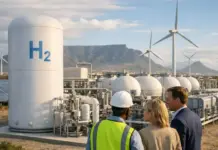

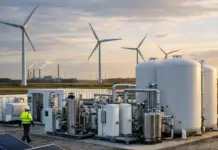



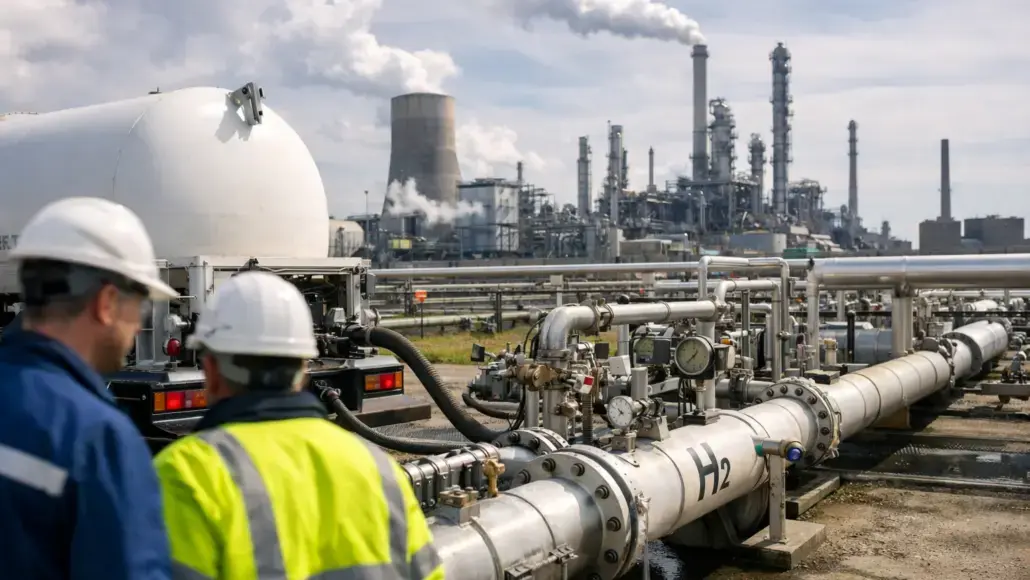

In a major step forward for the hydrogen transition in Germany, RWE Generation SE has delivered its first batch of renewable hydrogen to Marl Chemical Park from Evonik Industries within the scope of the GET H2 Nukleus project.
The delivery of the first batch of renewable hydrogen shows the effective convergence of renewable hydrogen production and pipeline transport as well as industrial consumption into one integrated system and thus the feasibility of Germany’s upcoming hydrogen infrastructure.
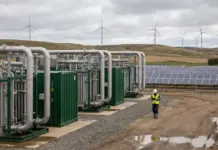
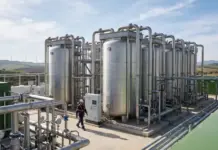
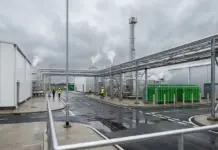
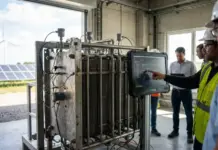
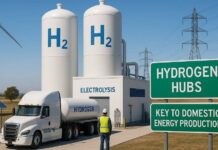
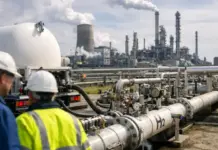
In the Lower Saxony town of Lingen, two 100-megawatt electrolysis plants are in the installation phase, currently producing hydrogen. The hydrogen is produced according to the European Union’s guidelines for Renewable Fuels of Non-Biological Origin – RFNBOs and shipped via about 120 kilometers of exclusive pipeline infrastructure. The network is collaboratively operated by Nowega GmbH, Open Grid Europe – OGE and SYNEQT GmbH, a subsidiary of Evonik – all transmission companies. It is then supplied to Marl Chemical Park from Evonik, where it is utilized in industrial manufacturing processes.
The GET H2 Nukleus project is funded by the German federal government and the states of Lower Saxony as well as North Rhine-Westphalia within the IPCEI Hy2Infra program. The hydrogen pipelines of the project are among the first operational elements in the eventual national hydrogen backbone network in Germany.
The project represents a significant milestone in the development of a thriving hydrogen economy in Germany, said OGE CEO Thomas Hüwener. The network additionally offers significant operational expertise when it comes to future hydrogen market mechanisms such as network access, capacity allocation as well as balancing procedures in addition to facilitating hydrogen transport.
Nikolaus Valerius, the RWE Generation CEO, said the successful delivery of the pipeline demonstrated how production of renewable hydrogen and transport infrastructure, as well as industrial demand, can work hand in hand. The company expects to wrap up the commissioning of its electrolysis premises in the months to come, it said.
By the end of 2026, the Lingen plant should have 200 MW of electrolysis capacity running, and RWE says it will set up a further 100 MW by 2027.
Initial cooperation between infrastructure operators as well as industrial customers has led to a faster development of the hydrogen ecosystem of Germany, highlighted Frank Heunemann, who is the managing director of Nowega. The GET H2 TransHyDE research effort has also provided valuable operational expertise that has led to the effective execution of the project.
According to Thomas Basten, the SYNEQT Chairman, a secure hydrogen supply will improve the competitive edge of the Marl Chemical Park and at the same time help to decarbonize industrial processes and draw in future investment.
More infrastructure development is currently in progress looking ahead.
Underground hydrogen storage was made possible by the completion of a hydrogen pipeline between Heek and Epe in late 2025. RWE Gas Storage West aims to start filling the first commercial hydrogen cavern storage facility of Europe by the end of 2026, with commercial activities planned for mid-2027. Germany plans on expanding its renewable hydrogen network with more pipeline conversions and new links between industrial sites in North Rhine-Westphalia to be completed by 2027.
Effective integration of renewable hydrogen production and transportation is anticipated to improve the long-term supply of low-carbon hydrogen for industrial uses, particularly for chemicals, refining, fertilizers, and methanol, as well as sustainable fuels. Greater access to hydrogen can help reduce reliance on fossil-based hydrogen and promote decarbonized manufacturing.