

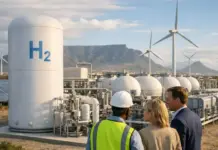

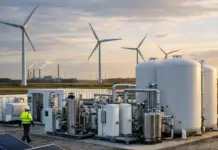
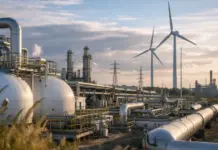
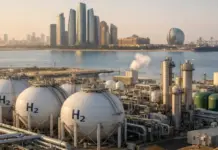
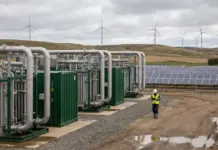

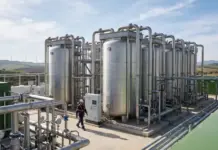

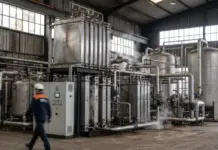

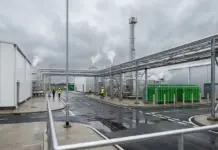










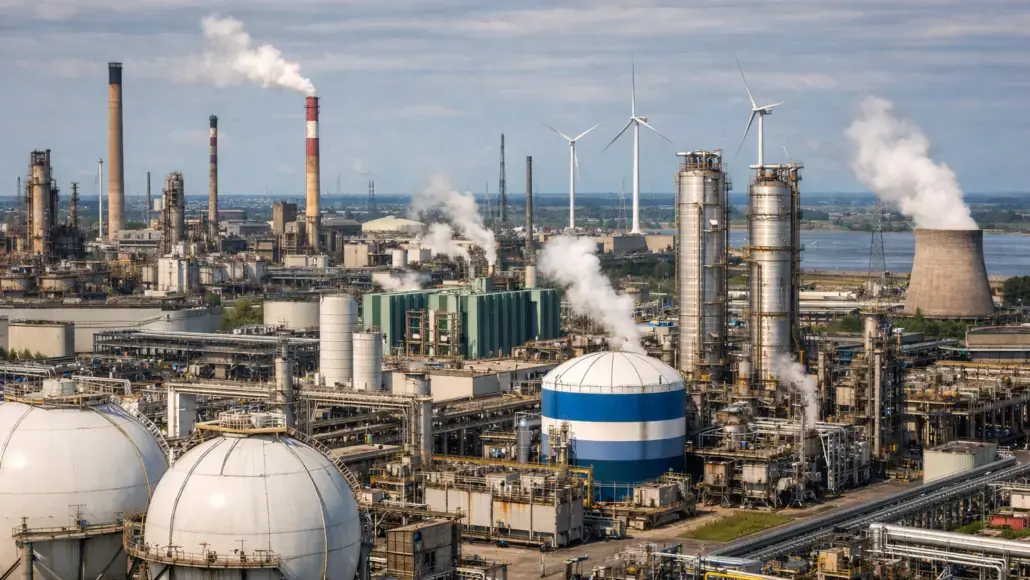

Essar Group has allocated £4.3 billion, or $5.8 billion, so as to turn Stanlow Refinery into a low-carbon energy hub built around hydrogen. It is well to be noted that over £1 billion of planned projects are close to the final investment decision. Apparently, a £100 million upgrade has gone ahead and raised the processing capacity of Stanlow by almost 8%.
The refinery, which has a capacity of 230,000 barrels per day and is owned by Essar Energy Transition Fuels, is designed to be a low-carbon energy transition hub, with hydrogen production at its center.
Much of the work is still to be done. Essar’s plan for low-carbon energy hub built around hydrogen also envisages grouping the process units of the plant into a single unified line, a move aimed at increasing the production of premium fuels and enabling the plant to process a wider variety of crude oils.
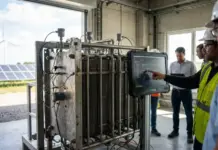
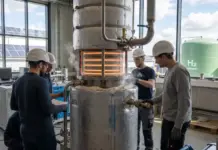
Essar is also planning to expand its fuel retailing network. The refinery is additionally making progress in the direction of cleaner production, as shown by the adaptation of a furnace at the site for hydrogen use.
The strategy is part of a wider reality – oil refining in Europe will be subject to more stringent environmental laws and a gradual decrease in demand for conventional transport fuels. Essar’s leadership is banking on hydrogen and other low-carbon businesses to add new sources of income and cushion the refinery from those pressures.
Why It Is Relevant
The physical groundwork is starting to fall into place.
Notably, Stanlow will not be transformed into a clean energy park overnight.
The size of Stanlow speaks to its significance. It is a 230,000 barrels per day UK site and continues to be at the heart of Essar’s drive to modernize its refining business. The company is seeking to develop new lines of business in addition to its traditional output against an industry setting of rising emissions costs along with waning expectations for fuel demand.
And there’s a commercial aspect as well. Instead of just relying on petrol and diesel, Essar intends to make hydrogen a sellable product and grow its retail fuel network. The June 2026 deal with the trading unit of International Resources Holding, which is Abu Dhabi-based, is part of that plan, locking in crude and providing channels to sell the products Stanlow makes.
Background
It is worth noting that the project also has wider significance, given Stanlow’s function as a fuel supplier to the UK. The refinery has a production capacity of 230,000 barrels a day, so it is able to process substantial quantities of crude. The approach Essar is taking is to retain that capacity and add new low-carbon operations.
The staged investment programme is designed to retain cash flow from current fuel sales, which can help to fund the hydrogen and other transitional businesses in time. In that way, the transition strategy is more about gradually adding new sources of revenue to a refinery that has to continue to run profitably during an extended industry shift, rather than a sudden switch.
Thus the site is caught between two competing pressures—the requirement to continue to provide fuels that are still in demand and the necessity of preparing for a future when demand is weaker. Essar’s plan is designed to tackle both, utilizing the income from conventional refining to subsidize a slow transition to hydrogen along with other low-carbon sources of revenue.
The Investment Scenario
Essar’s parent company is focusing its diversification plan on hydrogen and other low-carbon activities as refiners face tougher emissions rules and decreasing long-term demand for the traditional road fuels. The commercial rationale is to reduce the refinery’s reliance on petrol and diesel but still capture value out of the current crude processing capacity. The speed of Stanlow’s transition hub might depend on Essar taking a final investment decision on projects worth over £1bn. The £1bn instalment would be in addition to the £100m previously spent on increasing processing capacity by approximately 8%.